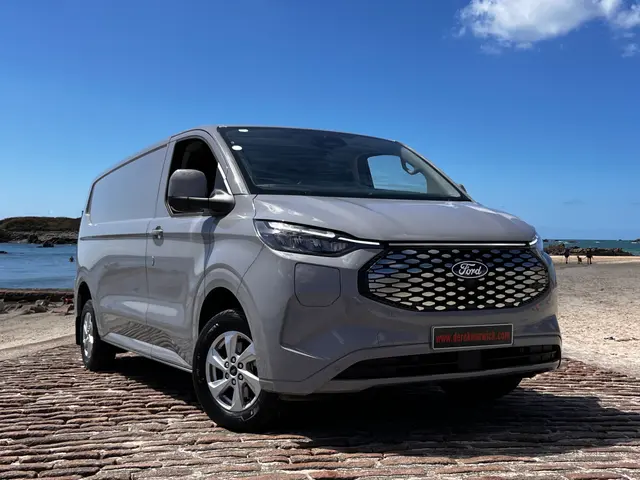
Ford E-Transit (Electric) L2H1
£31,995
- Make
- Ford
- Model
- E-Transit
- Year
- 2025
- Mileage
- 1,821 mi
- Fuel
- Electric
- Transmission
- Automatic
- Doors
- 5
- Colour
- Grey
Overview
This 2025 Ford E-Transit L2H1 is a practical electric van designed for commercial and delivery work. With just 1,821 miles on the odometer, it remains virtually new. The grey exterior presents a professional appearance, while the automatic transmission and electric powertrain offer smooth, efficient operation with zero tailpipe emissions. The L2H1 configuration provides a balanced cargo space and cab comfort. Ideal for businesses transitioning to electric fleet solutions or operators seeking low running costs and minimal maintenance.
About the Ford E-Transit
▶
The Ford E-Transit is the fully electric variant of Ford's Transit van line, designed for commercial operators requiring zero-emission urban and regional delivery. It maintains the Transit's practical cargo capacity and modular design while replacing the diesel engine with a battery-electric powertrain. The E-Transit appeals primarily to fleet operators and businesses facing emissions regulations in city centres, particularly in London and other UK/EU congestion zones. It offers a genuine working tool rather than a conversion, with purpose-built electric architecture. Available in various body styles and load capacities, it competes directly with the Mercedes eSprinter and Volkswagen eTransporter in the premium electric van segment.
Pros
- +Genuine cargo capacity comparable to diesel Transit
- +Practical 100-160 mile real-world range suits urban delivery
- +Lower running costs and reduced emissions for city work
- +Good charging infrastructure compatibility and flexibility
- +Established Ford dealer and support network
Watch out for
- −Higher upfront cost versus equivalent diesel Transit
- −Range anxiety limits suitability for long-distance routes
- −Charging infrastructure still developing outside major cities
- −Payload slightly reduced due to battery weight
Common issues
- !Cold weather range degradation of 20-30 percent reported
- !Charging speed variability at public infrastructure points